
Startups operate in an environment defined by uncertainty, speed, and constant change. Unlike established businesses, startups often begin with an idea that must be validated quickly while operating under tight budgets and limited resources. In this context, having the right digital foundation is critical. Custom web development for startups plays a central role in shaping how a startup presents itself, delivers value to users, and scales over time. A poorly planned website can slow growth, confuse users, and create technical debt, while a well-designed custom solution can support innovation, flexibility, and long-term success.
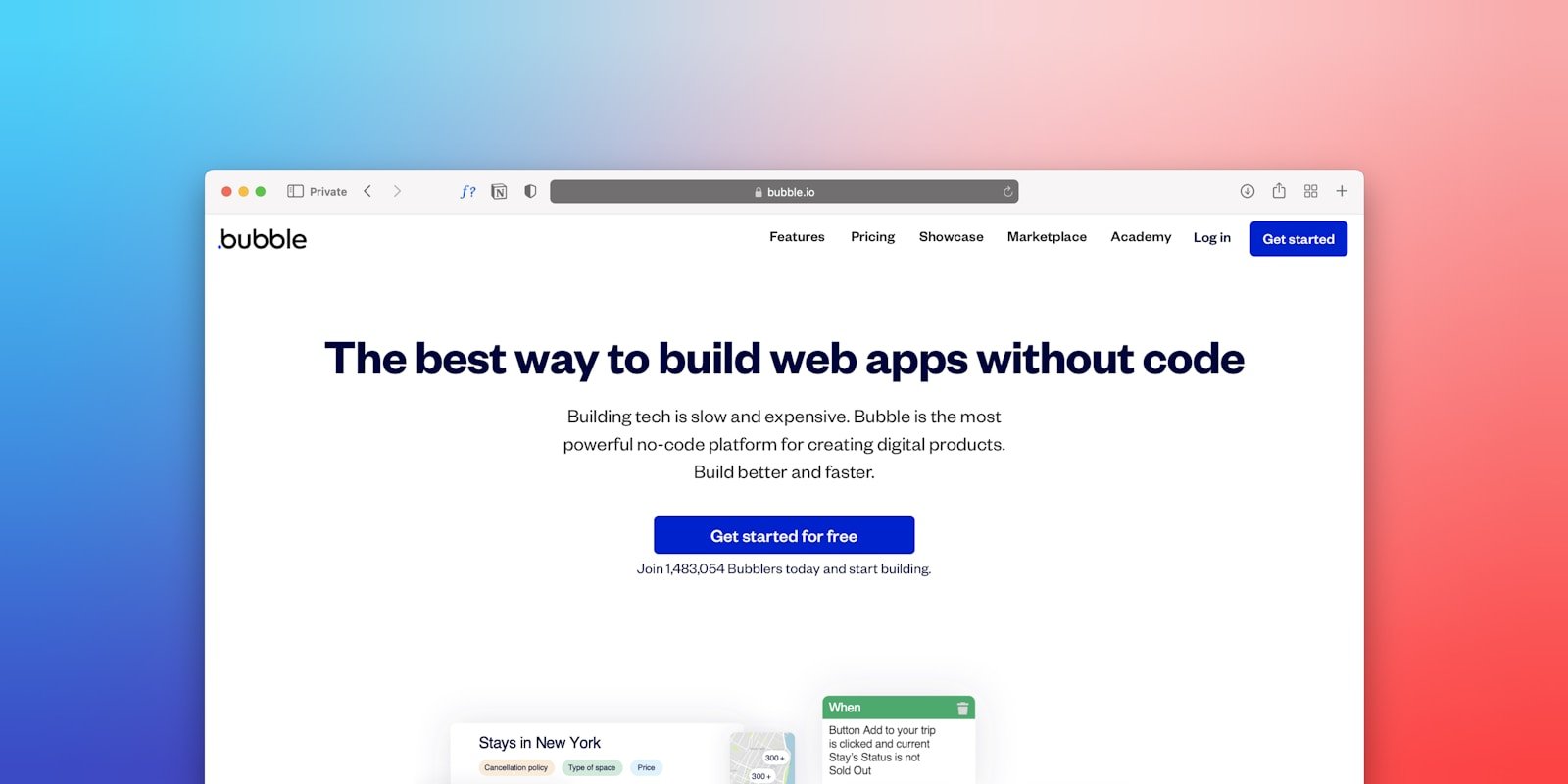
Many startups initially rely on generic website templates or low-cost builders to get online quickly. While this may work for early visibility, these solutions often become limiting as the startup evolves. Custom web development offers startups the ability to align their website or web application precisely with their business model, user needs, and growth strategy. Understanding what custom web development means, when it is necessary, and how startups can approach it cost-effectively is essential for founders and early-stage teams.
What custom web development means for startups
Custom web development refers to building a website or web application tailored specifically to a startup’s requirements rather than relying solely on pre-built templates or rigid platforms. For startups, this does not necessarily mean building everything from scratch. Instead, it means making deliberate technical and design choices that reflect the startup’s unique value proposition, workflows, and future plans.

A custom-developed solution allows startups to design user journeys that match their product or service logic. It enables integration with specific tools, APIs, or systems that off-the-shelf platforms may not support effectively. Custom development also gives startups control over performance, scalability, and security, which are critical as user numbers grow.
Importantly, custom web development for startups is not about unnecessary complexity. It is about strategic flexibility. The goal is to build a foundation that can evolve without requiring complete redevelopment at every growth stage.
Why startups outgrow template-based websites quickly
Template-based websites and drag-and-drop builders are popular among early-stage startups because they are fast to deploy and require minimal technical knowledge. However, these solutions are designed for general use cases and often lack the flexibility startups need as they refine their business models.
As startups grow, they may need to add user authentication, role-based access, custom dashboards, integrations with third-party services, or unique interaction patterns. Templates often struggle to accommodate these requirements without workarounds that compromise performance or security. Additionally, template-based sites can look generic, making it harder for startups to differentiate themselves in competitive markets.
Custom web development addresses these limitations by allowing startups to prioritise functionality and branding that align with their vision. This does not mean abandoning efficiency. Many custom solutions still use established frameworks and tools but apply them in a way that serves the startup’s specific goals.
The strategic value of custom web development for startups
For startups, a website is often more than a marketing tool. It may be the product itself or a critical part of the product experience. Software-as-a-service platforms, marketplaces, and digital services rely heavily on web applications to deliver value. In such cases, custom development becomes essential.
Custom development allows startups to experiment and iterate quickly. Features can be added, modified, or removed based on user feedback without being constrained by platform limitations. This agility supports lean startup principles, where rapid testing and validation are crucial.
Another strategic advantage is ownership. With custom development, startups retain control over their codebase and architecture. This reduces dependency on third-party platforms that may change pricing, features, or policies unexpectedly. Ownership also increases investor confidence, as technical assets are a key part of a startup’s valuation.
Cost considerations in custom web development for startups
One of the biggest concerns startups have about custom web development is cost. Custom development is often perceived as expensive, but costs vary widely depending on scope, complexity, and approach.
For early-stage startups, custom development does not need to involve building a large, feature-rich platform immediately. A minimum viable product approach allows startups to focus on essential features that validate the core idea. By limiting scope and prioritising features, startups can keep costs manageable while still benefiting from customisation.
Costs are influenced by factors such as design complexity, number of integrations, data handling requirements, and scalability considerations. Startups that invest time in clear requirements and realistic timelines often reduce overall expenses by minimising rework and scope creep.
Balancing speed and quality in startup development
Speed is critical for startups, but rushing development can lead to long-term problems. Custom web development helps strike a balance between speed and quality by allowing startups to build incrementally.
Instead of delivering a perfect product at launch, startups can release a functional version, gather feedback, and improve iteratively. Custom development supports this approach by enabling modular architecture, where components can be updated independently.
Quality should not be sacrificed for speed. Poorly structured code, lack of testing, and inadequate security can create issues that are costly to fix later. Custom development allows startups to implement best practices gradually, ensuring that early decisions do not hinder future growth.
Scalability and future-proofing startup websites
Scalability is one of the strongest arguments for custom web development for startups. A scalable system can handle increasing traffic, data, and feature complexity without requiring a complete rebuild.
Custom development allows startups to choose architectures and technologies that support growth. This includes designing APIs for future integrations, structuring databases efficiently, and optimising performance from the start. While startups may not need full scalability immediately, planning for it avoids technical bottlenecks later.
Future-proofing also includes adaptability. As business models evolve, startups may pivot or expand into new markets. Custom development provides the flexibility to support these changes without being locked into restrictive platforms.
Security considerations for startup web applications
Startups often handle sensitive user data, including personal information, payment details, or proprietary business data. Security is therefore a critical aspect of custom web development.
Custom solutions allow startups to implement appropriate security measures based on their risk profile. This includes secure authentication, data validation, encryption, and access control. While templates may offer basic security features, they are often generic and may not address specific risks.
Implementing security early builds user trust and reduces the risk of breaches that can damage a startup’s reputation. Custom development also allows for regular security updates and audits as the application evolves.
Design and user experience in custom startup websites
User experience is a key differentiator for startups. A well-designed interface can make a complex product feel intuitive and accessible. Custom web development enables startups to design interfaces that align closely with their user personas and workflows.
Rather than forcing users into predefined layouts, custom development allows for tailored interactions that support specific use cases. This can improve user engagement, retention, and conversion rates.
Design decisions should be informed by research and testing. Custom development makes it easier to iterate on design based on user feedback, ensuring that the product evolves in response to real needs rather than assumptions.
Choosing the right development approach for startups
Startups have several options when pursuing custom web development, including working with agencies, hiring in-house developers, or partnering with freelancers. Each approach has advantages and trade-offs.
Agencies often provide structured processes, multidisciplinary teams, and reliability, but at higher cost. Freelancers may be more affordable and flexible but require careful management. In-house teams offer long-term alignment but involve significant investment.
The right choice depends on budget, timeline, and strategic priorities. Regardless of the approach, clear communication and defined expectations are essential for successful outcomes.
Authority-backed perspective on startup web development
Microsoft’s guidance on building scalable web applications emphasises the importance of modular architecture, performance optimisation, and security from the early stages of development. These principles align closely with the goals of custom web development for startups, particularly those aiming for growth and long-term sustainability.
Final perspective on custom web development for startups
Custom web development for startups is not about building the most complex system possible. It is about creating a flexible, scalable, and purpose-driven digital foundation that supports experimentation and growth. By focusing on essential features, planning for scalability, and prioritising user experience, startups can leverage custom development as a strategic advantage rather than a cost burden.
When approached thoughtfully, custom development enables startups to adapt quickly, differentiate effectively, and build confidence among users and investors alike. As startups evolve, a well-built custom web solution becomes a powerful asset that supports innovation and long-term success.
Frequently Asked Questions About Custom Web Development for Startups
1. What is custom web development for startups?
Custom web development for startups refers to building a website or web application that is tailored specifically to a startup’s business model, users, and growth plans. Unlike templates or generic platforms, custom development allows startups to design functionality, workflows, and user experiences that directly support their product or service. This approach provides greater flexibility and long-term scalability.
2. Do early-stage startups really need custom web development?
Not every startup needs full custom development at the very beginning, but many outgrow templates quickly. If a startup relies on unique features, integrations, or user interactions, custom development becomes necessary sooner rather than later. It helps avoid technical limitations that can slow growth or force expensive rebuilds later.
3. How much does custom web development cost for startups?
The cost of custom web development for startups varies based on scope, complexity, and location of the development team. Early-stage startup websites or MVPs often range from USD 2,000 to USD 8,000, while more advanced platforms can exceed this. Costs can be controlled by prioritising essential features and using a phased development approach.
4. What is the difference between custom development and using website builders?
Website builders offer speed and low upfront cost but limited flexibility and scalability. Custom web development provides control over functionality, performance, and design. For startups planning growth, custom development offers a stronger technical foundation and better long-term value.
5. Can custom web development support rapid startup scaling?
Yes, scalability is one of the main advantages of custom web development. Custom-built systems can be designed to handle increasing users, data, and features over time. This reduces the risk of performance issues or platform limitations as the startup grows.
6. Is custom web development suitable for non-technical founders?
Custom web development can work well for non-technical founders if requirements are clearly defined and communication is strong. Many startups work successfully with agencies or experienced developers who translate business goals into technical solutions. Clear documentation and regular updates help non-technical founders stay informed and in control.
7. How long does it take to build a custom website for a startup?
Timelines depend on complexity and preparation. A simple custom startup website or MVP may take four to eight weeks, while more complex platforms can take several months. Clear requirements and phased delivery help keep timelines realistic and manageable.
8. What are the risks of custom web development for startups?
The main risks include unclear requirements, scope creep, and poor communication. These risks can be reduced by defining priorities early, using milestone-based development, and choosing experienced developers. When managed properly, custom development is a controlled and predictable process.
9. Should startups build everything custom from day one?
No, startups should not build everything custom immediately. A focused MVP approach is usually more effective. Custom development should concentrate on features that validate the core idea, while less critical features can be added later as the business grows.
10. How does custom web development affect investor confidence?
Investors often view custom-built platforms positively because they demonstrate technical ownership and scalability. A well-structured custom system shows that the startup has invested in a solid foundation and can adapt as the business evolves. This can strengthen investor confidence during funding discussions.