
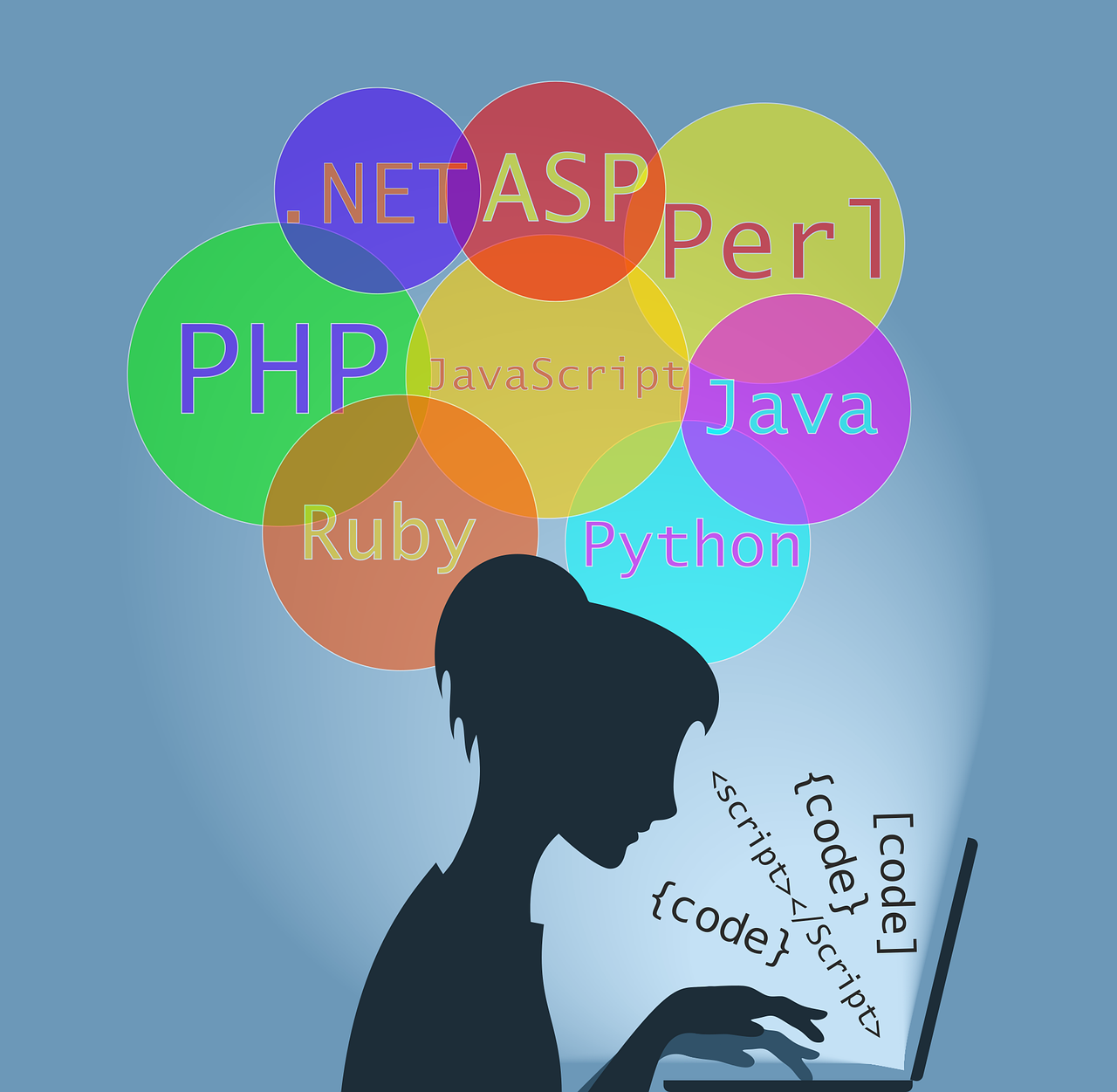
For many beginners, the term full-stack web development sounds ambitious, complex, and sometimes unrealistic. It is often portrayed as a role that requires mastering every programming language, framework, and tool at once. This perception can discourage learners who are just starting their web development journey and trying to understand where to begin. In reality, full-stack web development is not about knowing everything simultaneously. It is about understanding how different layers of a web application work together and gradually building the ability to contribute across those layers in a meaningful and structured way.
Full-stack web development refers to working with both the front end and the back end of a web application. This includes designing user interfaces, handling user interactions, managing server-side logic, working with databases, and deploying applications so that real users can access them online. For beginners, the most important idea is that full-stack development is a progression. It develops over time through experience, practice, and an increasing understanding of how systems interact.
Understanding the concept of a “stack” in web development
In web development, the word “stack” refers to a group of technologies that work together to deliver a complete application. A stack usually includes tools for creating the user interface, tools for handling server-side logic, and systems for storing and retrieving data. Each layer has a distinct responsibility, and none of them function effectively in isolation.

The front end of the stack handles presentation and interaction. It is responsible for displaying content, responding to user input, and providing feedback through visual changes. The back end of the stack processes requests, applies business rules, manages authentication, and ensures that data is handled securely. The database layer stores information persistently so that it can be retrieved later.
For beginners, it is important to understand that a stack is not defined by specific technologies alone. Technologies evolve, but the structure of layered responsibilities remains consistent. A beginner who understands what each layer does can adapt to new tools far more easily than someone who memorises a specific framework without understanding its purpose.
What full-stack development includes in real-world practice
In real-world projects, full-stack development involves contributing across the entire lifecycle of an application. This includes planning the structure of pages, implementing front-end interactions, designing server endpoints, managing data flow, and maintaining the application after deployment.
A full-stack developer might start by creating a user interface that allows visitors to submit information. That interface collects input and sends it to a server. The server receives the request, validates the data, applies logic, and stores the result in a database. The server then sends a response back to the front end, which updates the interface accordingly. This continuous interaction between layers defines how modern web applications function.
For beginners, seeing this complete flow helps eliminate confusion. Instead of viewing web development as fragmented skills, learners begin to see it as a system where each part supports the others. This systems-based understanding is one of the most valuable outcomes of learning full-stack development.
How full-stack development differs from front-end and back-end roles
Front-end development and back-end development are often described as separate specialisations. Front-end developers focus on visual layout, responsiveness, accessibility, and user interaction. Back-end developers focus on logic, data processing, security, and performance at the server level. Full-stack developers bridge these areas by understanding both perspectives.
This does not mean that full-stack developers replace specialists. In large organisations, specialised roles are essential for managing complex systems at scale. However, full-stack developers are particularly valuable in smaller teams, startups, and early-stage projects where flexibility is critical and team members must handle multiple responsibilities.
For beginners, exposure to full-stack concepts allows them to experiment and discover personal strengths. Some learners realise they enjoy interface design and user experience more than server logic. Others find satisfaction in data handling and system architecture. Full-stack learning provides the context needed to make these decisions thoughtfully.
The beginner learning journey toward full-stack development
Becoming a full-stack developer is not an entry-level requirement. It is a journey that unfolds through incremental learning. Beginners should not attempt to learn everything at once. Instead, they should focus on building a strong foundation and expanding gradually.
The journey usually begins with front-end fundamentals. Learning how HTML structures content, how CSS controls layout and appearance, and how JavaScript enables interaction gives beginners immediate visual feedback. This feedback reinforces learning and builds confidence. Once front-end concepts are understood, beginners are better prepared to explore back-end ideas.
Back-end learning introduces concepts such as servers, request handling, and databases. These concepts can feel abstract without front-end experience. However, when learners already understand how users interact with interfaces, back-end logic feels purposeful rather than theoretical.
As learners gain experience, they begin to connect front-end and back-end logic naturally. They understand how user actions trigger server requests, how data is processed, and how responses shape the interface. This integration marks the transition toward full-stack thinking.
Why full-stack development is valuable for beginners
Full-stack development offers beginners a broader understanding of how applications work as complete systems. Instead of learning isolated tools, learners understand cause-and-effect relationships across layers. This perspective reduces confusion and increases problem-solving ability.
When issues arise, beginners with full-stack awareness can trace problems more effectively. They can determine whether an issue originates in the interface, the server, or the data layer. This diagnostic ability reduces reliance on trial and error and builds technical confidence.
Full-stack understanding also improves communication skills. Developers who understand both front-end and back-end concerns can explain technical decisions more clearly and collaborate more effectively with others. This skill is highly valued in professional environments.
Common misconceptions about full-stack development
One common misconception is that full-stack developers must master every programming language and framework. In reality, no developer knows everything. Full-stack development is about competence across layers, not encyclopedic knowledge.
Another misconception is that full-stack developers lack depth. Depth is not determined by role title but by experience and focus. Many highly skilled developers work as full-stack engineers because they enjoy system-level thinking and variety.
A third misconception is that beginners must choose a specialisation immediately. In practice, specialisation evolves naturally. Early exposure to full-stack concepts allows beginners to make informed choices later without limiting themselves prematurely.
Full-stack development in real-world projects
In real-world projects, full-stack development involves constant decision-making and trade-offs. A front-end decision may affect back-end performance. A database design choice may influence interface complexity. Full-stack developers consider these relationships when designing solutions.
For example, structuring data efficiently can simplify front-end rendering and improve performance. Designing clear server interfaces reduces complexity on the client side. These decisions are easier to make when developers understand the entire stack.
Beginners who practice full-stack projects develop realistic expectations. They learn that building applications involves planning, testing, debugging, and refinement. This experience prepares them for professional work more effectively than isolated exercises.
Deployment and environment awareness in full-stack development
Deployment is a critical aspect of full-stack development. It involves preparing an application to run in a production environment where real users can access it. This process includes configuring servers, managing dependencies, and ensuring secure communication.
Beginners often underestimate deployment, but it provides valuable insight into how applications operate beyond local development. Deployment teaches learners about environment differences, error handling, and performance considerations.
Understanding deployment also fosters responsibility. When an application is live, mistakes affect real users. This awareness encourages careful testing and thoughtful design decisions.
Security across the full stack
Security is not confined to a single layer of a web application. It spans the entire stack. Front-end code must avoid exposing sensitive information. Back-end systems must validate input, protect data, and enforce permissions. Databases must be secured against unauthorised access.
Full-stack developers understand that security is an ongoing concern rather than a one-time feature. Beginners who learn security principles early develop safer coding habits and avoid common vulnerabilities.
Security awareness also improves career prospects. Employers value developers who understand risk and design systems defensively.
Career opportunities for full-stack developers
Full-stack development opens a wide range of career opportunities. Full-stack developers are often employed as generalists in startups where versatility is essential. Others work in larger organisations where full-stack knowledge supports collaboration across teams.
Over time, many full-stack developers transition into specialised roles, technical leadership, or architecture-focused positions. Full-stack experience provides a strong foundation for these paths because it builds system-level understanding.
For beginners, this flexibility is empowering. It allows exploration without forcing early specialisation and supports long-term career growth.
Is Full-Stack Web Development a Good Career?
Full-stack web development is widely regarded as a strong and sustainable career choice, particularly for individuals who value versatility, problem-solving, and long-term adaptability. A full-stack web developer understands how both the front end and back end of a web application work together, which allows them to contribute across multiple stages of development. This broad skill set is highly attractive to employers because it reduces dependency on narrowly specialised roles, especially in startups and small to medium-sized organisations.
One of the main reasons full-stack development is considered a good career is the consistent demand. As businesses continue to digitise operations, they require developers who can build, maintain, and scale web applications efficiently. Full-stack developers are often involved not only in coding but also in planning, optimisation, and technical decision-making, which increases their value within teams. This demand is not limited to a single industry, as full-stack developers work across education, healthcare, finance, retail, logistics, and technology sectors.
Another important factor is career flexibility. Full-stack developers are not locked into a single path. With experience, they can move toward front-end specialisation, back-end engineering, software architecture, technical leadership, or even product-focused roles. This flexibility makes the career resilient to market changes, as developers can adapt their focus based on industry trends and personal interests.
From a learning perspective, full-stack development encourages continuous skill growth. While this may sound demanding, it is also one of the reasons many developers find the career intellectually rewarding. Technologies evolve, but the underlying principles of how web systems work remain stable. Developers who understand the full stack are better equipped to learn new tools quickly because they understand the problems those tools are designed to solve.
In terms of job satisfaction, full-stack developers often report higher engagement because they work on complete solutions rather than isolated components. Seeing an application evolve from concept to deployment can be highly motivating. This end-to-end involvement also strengthens problem-solving skills and builds professional confidence.
However, it is important to recognise that full-stack development requires patience and structured learning, especially for beginners. The breadth of knowledge can feel overwhelming at first. The career is most suitable for individuals who are comfortable with continuous learning and willing to build skills gradually. When approached realistically, full-stack web development offers strong career prospects, long-term relevance, and growth opportunities.
Industry-backed learning beyond Mozilla
For beginners seeking a reputable learning resource beyond Microsoft and IBM provides authoritative documentation on modern web practices, performance optimisation, accessibility, and application architecture. These materials reflect real-world standards used in production environments and are maintained by experienced engineers.
Frequently Asked Questions About Full-Stack Web Development
1. Is full-stack web development in demand?
Yes, full-stack web developers are in strong demand across many industries. Employers value their ability to work across both front-end and back-end systems. This versatility makes them especially valuable in growing teams and startups.
2. Can beginners become full-stack developers?
Beginners can become full-stack developers over time with structured learning and consistent practice. It is not a starting role but a progression built on fundamentals. Most developers grow into full-stack roles after gaining experience.
3. Is full-stack development harder than front-end or back-end roles?
Full-stack development involves a broader range of skills, which can make learning more demanding initially. However, it is not inherently harder than specialising. The challenge lies in managing scope and learning progressively.
4. Do full-stack developers earn good salaries?
Full-stack developers generally earn competitive salaries due to their broad skill set. Compensation varies by region, experience, and industry. In many markets, full-stack roles are well paid compared to single-specialisation roles.
5. Is full-stack web development future-proof?
Full-stack development is considered relatively future-proof because it is based on core web principles. While tools change, understanding how systems work end-to-end remains valuable. This adaptability helps developers stay relevant.
6. Can full-stack developers work remotely?
Yes, many full-stack developers work remotely or in hybrid roles. Web development work is well suited to remote collaboration. This flexibility is one of the career’s major advantages.
7. Do full-stack developers need a computer science degree?
A computer science degree is not mandatory to become a full-stack developer. Many professionals are self-taught or trained through practical experience. Employers often prioritise skills, portfolios, and problem-solving ability.
8. Is full-stack development suitable for career changers?
Full-stack development is a popular choice for career changers because it offers clear learning paths and strong demand. With dedication and structured practice, individuals from non-technical backgrounds can succeed.
9. What skills are most important for full-stack developers?
Strong fundamentals in HTML, CSS, JavaScript, server-side logic, and databases are essential. Problem-solving, debugging, and communication skills are equally important. The ability to learn continuously is critical.
10. Should I specialise or aim for full-stack development?
There is no single correct choice. Many developers start broadly and specialise later. Full-stack learning provides context and flexibility, making it easier to specialise when career goals become clearer.
Final perspective on full-stack web development for beginners
Full-stack web development is not about doing everything at once or becoming an expert overnight. It is about understanding how the pieces of a web application fit together and gradually building competence across layers. For beginners, adopting a full-stack perspective provides clarity, confidence, and adaptability.
By learning fundamentals first and expanding thoughtfully, beginners develop a strong mental model of web development. This model makes future learning faster, deeper, and more meaningful. Whether a learner ultimately specialises or continues as a generalist, full-stack understanding provides a durable foundation for long-term success in web development.